Introduction:
If you have found the word “slow flow yoga” at a moment of your exhaustion, overwhelm, or burnout, consider that no accident. This is one of the most accessible, deeply healing movement practices available today, and it continues to attract thousands of new practitioners every year because it works on the body, the mind, and the nervous system. Today, slow-flow yoga is becoming an essential act of self-care.
According to the reports of the 2023 Yoga Alliance and Yoga Journal survey, more than 36 million Americans are now practicing yoga, and an increasing number of people are actively seeking slower, more intentional styles. Now, this yoga has grounded itself at the intersection of movement and meditation—while it is dynamic enough to build strength and flexibility, but gentle enough to calm an unraveled nervous system.
Maybe you are new to the mat or a seasoned practitioner looking to deepen your practice. This article will definitely fulfill your expectations: what slow flow yoga is, how it compares to vinyasa, hatha, and restorative yoga, its evidence-backed benefits, beginner-friendly poses, a sample sequence, and expert recommendations to help you start today.
What is Slow Flow Yoga?
Now, let us delve into the details about this unique and demanding yoga process. Fundamentally, slow flow yoga is a style of yoga that links breath to movement—like traditional vinyasa yoga—but significantly at a reduced pace. The changes between poses are careful, unhurried, and fully coordinated with a conscious inhale or exhale.
What does it offer that fast-paced yoga styles don’t? It is providing your body time to settle into each shape, allowing your nervous system to register the stretch, your muscles to engage meaningfully, and your mind to stay present rather than rushing ahead to the next pose.
The Ancient Roots of Slow Flow Yoga and Hatha Yoga:
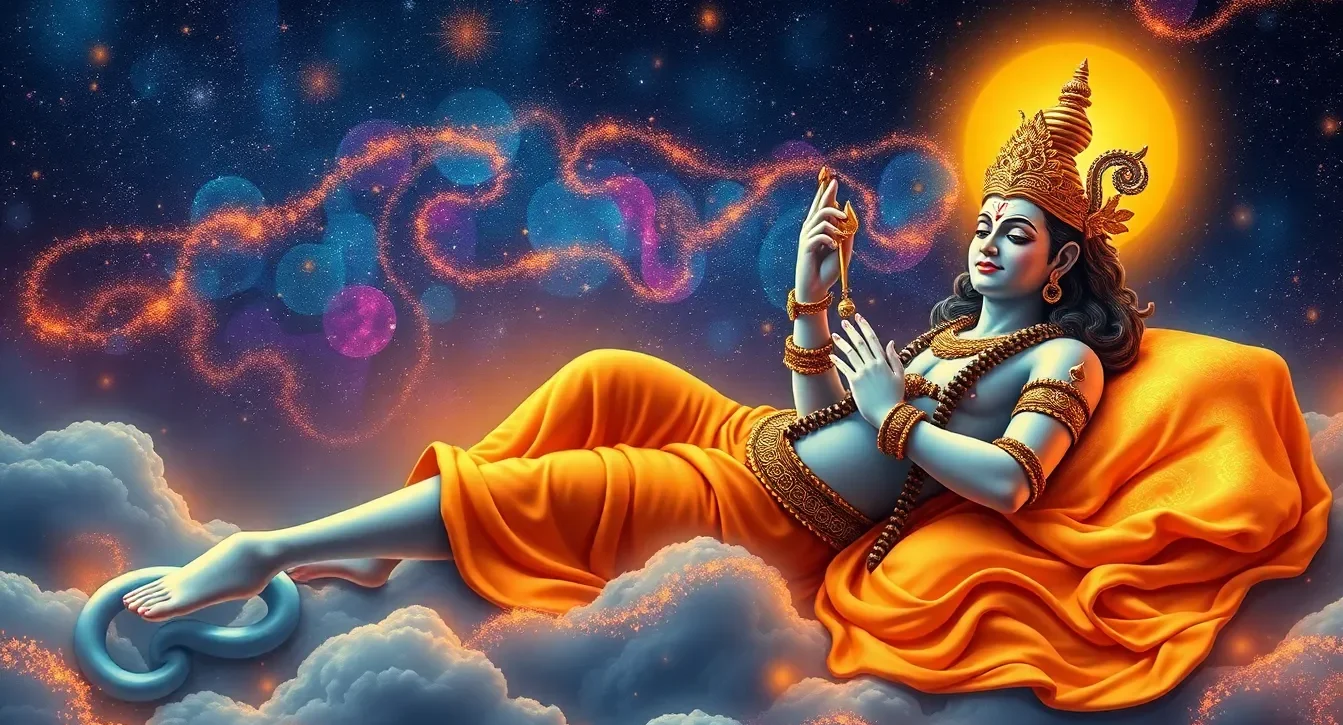
For understanding slow flow yoga, we need to look back at its origin. But what is the difference between this yoga and hatha yoga? According to our ancient texts, the word “Hatha yoga“ has been derived from the Sanskrit words “ha” (sun) and “tha” (moon). It is our ancient tradition that gave birth to every physical yoga style practiced in the West today, including slow-flow yoga.
Hatha yoga came to light in the 15th-century text “Hatha Yoga Pradipika” written by Swami Swatmarama, emphasizing postures (asanas) with continuous breath awareness and internal focus. What is the difference between slow-flow yoga and hatha yoga in modern practice? This yoga inherits Hatha Yoga’s meditative pace and breath-body integration but includes gentle, flowing transitions that create continuity and warmth—making it more dynamic than classical Hatha while remaining far slower than Vinyasa.
Ancient Insight: The Hatha Yoga Pradipika states that yoga postures should be held with “steadiness and ease” (Sthira Sukham Asanam)—a principle that lies at the very heart of slow flow yoga. When anyone practices slow flow yoga, he is honoring a tradition more than 600 years old.
Slow Flow Yoga and Vinyasa Yoga – Key differences
Slow flow yoga vs. Vinyasa yoga is one of the most searched comparisons in the modern yoga world—and for good reason. Both styles link breath to movement, but the experience is dramatically different.
In a vinyasa class, you may flow through 40–60 pose transitions in a single hour. The pace is athletic, the sequences are often complex, and the heart rate climbs. Slow flow yoga vs. vinyasa yoga breaks down like this:
Feature: Slow Flow Yoga, Slow Flow Yoga Vinyasa Yoga
| Pace | Deliberate, unhurried | Fast, continuous |
| Poses per class | 15–25 | 40–60+ |
| Breath focus | Deep, extended | Rhythmic, brisk |
| Muscle engagement | Sustained, isometric | Dynamic, ballistic |
| Ideal for | Beginners, recovery, stress relief | Fitness-oriented, experienced practitioners |
| Injury risk | Lower | Moderate to higher |
| Mind-body connection | Deeply cultivated | Moderate |
Slow flow yoga vs. vinyasa yoga is not about which is better—it is about what your body and mind need on any given day. Many experienced yogis alternate between both to build strength and depth.
Slow Flow Yoga vs. Restorative Yoga:
Another common question is slow flow yoga vs. restorative yoga—and these two practices, while both gentle, serve different purposes.
The fundamental distinction between this yoga and restorative yoga is that this yoga involves movement, muscle activation, and gradual heat building. Whereas restorative yoga, by contrast, is entirely submissive. Props required are a long pillow, blankets, blocks, etc., for extending support for the body, and poses are preferably continued for 5–20 minutes in total stillness for activating the parasympathetic nervous system.
In other words, Slow Flow Yoga vs. Restorative Yoga is mainly a difference between a gentle walk through a forest and lying in a hammock. Both are healing. Both are valuable. Slow flow yoga gives you gentle movement and warmth; restorative yoga gives you complete surrender.
When to Choose Each Practice
- Slow flow yoga: During mindful movement, gentle strength building, and stress relief with some physical engagement.
- Restorative yoga: When you are deeply fatigued, recovering from illness, or need a profound nervous system reset without any exertion.
Benefits of Slow Flow Yoga:
This yoga extends a wide-ranging benefit, not like the trends that promise overnight transformations; the benefits accumulate steadily, each session building on the last, like layers of sediment forming stone.
Physical Benefits of Slow Flow Yoga
1. It increases functional strength:
The International Journal of Yoga published a report that those who practice slow-paced yoga regularly experience significant improvements in core strength, balance, and lower-body endurance compared to sedentary controls. The benefits are durable — they just build quietly.
2. Dramatically Improves Flexibility
Because you are not rushing from one pose to the next, this yoga gives connective tissue—fascia, tendons, and ligaments—time to respond to stretch. Research from the American Council on Exercise confirms that longer hold times correlate with greater long-term flexibility gains versus rapid, repetitive movement.
3. Enhances Balance and Proprioception
Moving slowly challenges your proprioceptive system — your body’s internal GPS. Balancing poses held at a slow-paced flow yoga demand greater neuromuscular coordination, leading to improved balance over time, which is particularly valuable as we age.
4. Supports Joint Health
High-impact yoga poses, such as chin stand, Dhanurasana, compass pose, etc., can wear on joints. This is highly joint-friendly. The slow loading and unloading on joints through slow movement lubricates cartilage with synovial fluid, reducing stiffness and supporting long-term mobility.
Mental and Emotional Benefits of Slow Flow Yoga
5. Reduces Stress and Cortisol
A landmark 2017 study in the journal Frontiers in Human Neuroscience found that yoga practices emphasizing slow movement and deep breathing significantly reduced salivary cortisol—the body’s primary stress hormone—after just 8 weeks. Slow-flow yoga, with its extended breath cycles, is particularly effective at shifting the nervous system from sympathetic (fight-or-flight) to parasympathetic (rest-and-digest) dominance.
6. Improves Sleep Quality
Most of the practitioners can sleep better without any disturbances. This is due to the activation of the parasympathetic nervous system and the reduction in cortisol create ideal conditions for deep, restorative sleep. In 2020, research was conducted on Sleep Medicine Reviews, which found that yoga interventions significantly improved both sleep quality and duration across all age groups.
7. Builds Mindfulness and Emotional Resilience
Because this yoga demands present-moment awareness in every breath and every transition, it is essentially a moving meditation. Regular practitioners report lower levels of anxiety, improved emotional regulation, and a greater capacity to respond—rather than react—to life’s stressors.
Who Benefits Most from Slow Flow Yoga?
- Beginners who want to learn alignment safely
- Athletes in recovery or active rest phases
- The aged people who are seeking low-impact movement
- People who are managing chronic stress, anxiety, or mild depression
- Anyone returning to exercise after injury or illness
- Experienced yogis wanting to deepen body awareness
Expert Insight: Dr. Sat Bir Singh Khalsa, Head of the Dept of Medicine and Neurology of Harvard Medical School, a leading researcher in yoga science, also opined: “Slower, more mindful yoga practices create measurable changes in brain structure over time, including increased grey matter density in regions linked to emotional regulation and self-awareness.”
Essential Slow Flow Yoga Poses at Every Level:
Foundational Slow Flow Yoga Poses
1. Mountain Pose (Tadasana)
The deceptively simple anchor of all standing slow-paced flow yoga poses. Stand with feet hip-width apart, weight evenly distributed, spine long, shoulders relaxed. Hold for 5–10 deep breaths. Focus: grounding, alignment, breath awareness.
2. Cat-Cow Flow (Marjaryasana-Bitilasana)
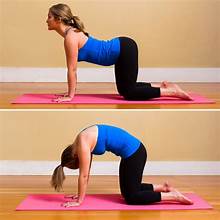
This is one of the gentlest yet effective yoga poses for spinal mobility. On hands and knees, synchronize spinal extension (cow) with inhalation and spinal flexion (cat) with exhalation. Move at half the speed you think you should—that is the essence of this yoga. Complete 8–10 rounds.
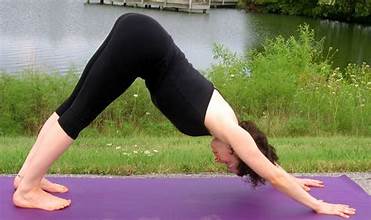
3. Downward-Facing Dog (Adho Mukha Svanasana)
A cornerstone of this pose is that it simultaneously stretches the hamstrings, calves, and spine while strengthening the shoulders and arms. Hold for 5–8 breaths, pedaling the heels alternately to warm up the calves. In a slow-flow yoga context, each micro-adjustment in this pose becomes an act of meditation.
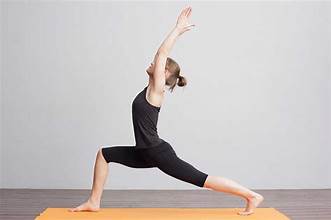
4. Warrior I (Virabhadrasana I)
Among the most powerful slow-paced flow yoga poses for building lower body strength and opening the hip flexors simultaneously are In slow-flow yoga, Warrior I is not rushed through—it is inhabited. Hold for 5–8 breaths per side, feeling the quadriceps engage, the back heel ground, and the chest lift.
5. Warrior II (Virabhadrasana II)
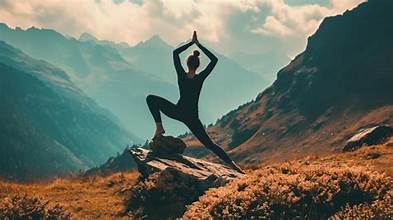
This yoga transforms Warrior II from a static hold into an opportunity for profound body awareness. Extend your arms, soften your gaze, and breathe into the outer hip. Among slow-flow yoga poses, Warrior II cultivates both strength and stillness simultaneously—a powerful paradox.
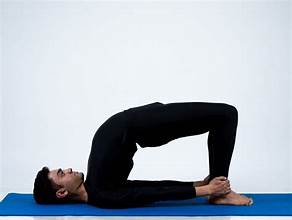
6. Bridge Pose (Setu Bandha Sarvangasana)
A slow-paced flow yoga pose that strengthens the glutes and hamstrings, opens the chest, and gently stimulates the thyroid. In slow flow yoga, rise into bridge slowly over 4 counts on an inhale, hold for 5 breaths, and lower over 4 counts on an exhale. This controlled movement maximizes muscular engagement.
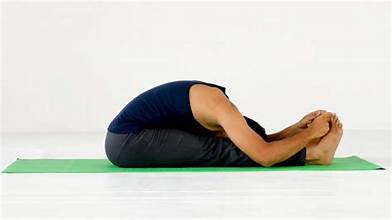
7. Seated Forward Fold (Paschimottanasana)
The ultimate surrender pose in slow-flow yoga. Sit with legs extended, hinge forward from the hips (not the waist), and hold for 8–10 deep breaths. Resist the urge to force the stretch—in slow flow yoga, you let gravity and breath do the work.
8. Supine Spinal Twist (Matsyendrasana)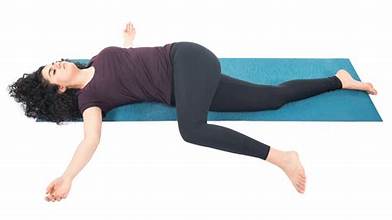
This yoga pose is highly relieving for the lower back. Lie on your back, draw one knee to your chest, and guide it across the body while extending the opposite arm. Hold for 8–10 breaths per side. The benefits of slow-flow yoga are nowhere more immediately felt than in this release.
A Complete Slow Flow Yoga Sequence for Beginners:
A well-structured slow flow yoga sequence follows a natural arc: grounding, warming, building, peaking, and releasing. This 45-minute slow flow yoga sequence is designed for all levels and requires only a mat.
Full Slow Flow Yoga Sequence (45 Minutes)
Phase 1: Grounding (5 minutes)
- Child’s Pose — 10 deep breaths. Set your intention.
- Cat-Cow — 8 rounds, 4 counts each direction.
- Seated breathing—5 minutes of extended exhale breathing (inhale 4 counts, exhale 8 counts).
Phase 2: Warming (10 minutes)
- Downward Dog — 8 breaths, pedaling heels.
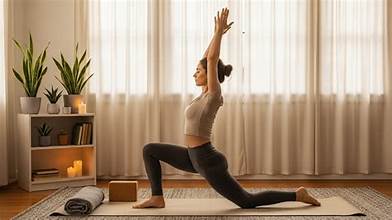
- Low Lunge (Anjaneyasana) — 6 breaths per side.
- Standing Forward Fold — 8 breaths, bending knees generously.
- Mountain Pose — 5 breaths to establish standing alignment.
Phase 3: Building (15 minutes)
- Warrior I — 6 breaths per side.
- Warrior II — 6 breaths per side.
- Triangle Pose — 6 breaths per side.
- Slow flow yoga transition: From Triangle, slowly lower to lunge, step to Downward Dog, 5 breaths.
- Plank Pose — 5 breaths (modify on knees).
Phase 4: Peak and Release (15 minutes)
- Bridge Pose — 2 rounds × 6 breaths.
- Happy Baby Pose — 8 breaths.
- Seated Forward Fold — 10 breaths.
- Supine Spinal Twist — 8 breaths per side.
- Savasana (Corpse Pose) — 5 minutes minimum. The most important pose in your slow-flow yoga sequence.
What is the Difference Between Slow Flow Yoga and Hatha Yoga?
The beginners often ask, “What is the difference between this yoga and hatha yoga?” The question matters because the two practices overlap significantly—yet serve different experiential goals.
What is the difference between this yoga and hatha yoga in terms of structure? In a classical hatha yoga class, individual poses are typically held for extended periods — sometimes 1–3 minutes each — with complete stillness between them. There is less emphasis on the transitions themselves.
What is the difference between this yoga and hatha yoga in terms of experienced people? Slow-flow yoga creates a sense of gentle continuity and warmth through its flowing transitions, while hatha yoga feels more methodical and static.
Aspect Slow Flow Yoga Hatha Yoga
| Movement style | Flowing transitions | Static holds |
| Pace | Slow and continuous | Very slow, with pauses |
| Heat generated | Mild to moderate | Minimal |
| Tradition | Contemporary, hatha-derived | Classical (15th century+) |
| Class structure | Sequenced flow | Individual pose focus |
| Breath emphasis | Breath-led movement | Breath with stillness |
What is the difference between slow-flow yoga and Hatha yoga for a beginner?
Both are excellent starting points. Hatha yoga may help you learn individual poses more thoroughly, but this yoga may feel more engaging and meditative from the start. Many practitioners move fluidly between both—and that fluidity is entirely in the spirit of yoga.
How to get the most from slow flow yoga?
Setting Up Your Practice Space
- Choose a quiet space where you will not be interrupted.
- Use a non-slip mat at least 6mm thick for joint cushioning.
- Keep props accessible: two blocks, a strap, and a blanket.
- Dim the lights or use natural light — your nervous system responds to your environment.
- Set a timer so you are not watching the clock.
Breath Is Everything
In this yoga, the breathing exercises (Pranayama) get priority. Practitioners should concentrate on an extended exhale (twice the length of their inhale) throughout the practice. This breath pattern, known as extended exhale breathing, is one of the fastest evidence-based techniques for activating the vagus nerve and inducing calm. Research from Stanford University’s School of Medicine (2023) identified the “physiological sigh” — a double inhale followed by a long exhale — as the single most effective breath pattern for rapid stress reduction.
Frequency and Progression
For beginners, two to three slow-flow yoga sessions per week are optimal. Research published in the Journal of Alternative and Complementary Medicine found that practitioners who attended yoga classes at least twice weekly reported significantly greater improvements in flexibility, stress, and sleep compared to once-weekly practitioners.
Beginner Progression Roadmap
- Weeks 1–2: Focus only on foundational slow flow yoga poses and breath synchronization.
- Weeks 3–4: Begin linking 3–5 poses in a short, slow-flow yoga sequence.
- Month 2: Extend this yoga sequence to 30 minutes. Introduce balancing poses.
- Month 3+: Explore longer sequences (45–60 min) and deepen each pose with mindful attention.
A Real-World Example:
Sarah, a 42-year-old nurse manager from Chicago, began this yoga after a burnout diagnosis left her unable to sleep or unwind. “I had tried running, high-intensity classes, everything—they made me feel more wired,” she shared in a 2022 Yoga Journal feature.
As per Sarah, “This yoga actually turned off my brain. Within a couple of weeks, I was sleeping through the night for the first time in two years. ” Her story is common to most of the practitioners. The slow-flow yoga approach—unhurried, breath-led, deeply present—reaches parts of the nervous system that faster practices simply cannot access.
Conclusion:
Slow-flow yoga is an important option, but not a compromise. The decision is yours to consider your body like a partner, compared to a machine, for breathing deeply rather than shallowly, and to move with intention rather than velocity. This practice fulfills your need for what you exactly require, whether you are comparing this yoga to vinyasa yoga for a quicker exercise, measuring slow flow yoga against restorative yoga for deeper rest, or just learning this yoga for the first time. With each practice, the advantages of slow-flow yoga build up, from more flexible joints and stronger muscles to calmer nerves and better sleep and overall well-being.
Start slow. Breathe deep. Flow forward. Your best slow-flow yoga practice is the one you begin today.
FQA:
Question: What is slow flow yoga, and for whom is it suitable?
Ans: Slow flow yoga is a style of yoga that links mindful movement to breath at a deliberately reduced pace, creating a practice that is simultaneously calming and physically engaging. It is suitable for complete beginners, older adults, athletes in recovery, people managing stress or anxiety, and experienced practitioners who want to deepen body awareness. Because it is low-impact and fully adaptable with props, slow-flow yoga is one of the most inclusive yoga styles available.
Question: How does slow flow yoga differ from Vinyasa yoga?
Ans: Slow flow yoga vs. vinyasa yoga comes down to pace and intensity. Vinyasa yoga is fast-paced, athletic, and may include 40–60 pose transitions per class. Slow flow yoga moves through 15–25 poses with extended breath holds, deeper physical awareness, and significantly lower injury risk. Both link breath to movement, but the experience, physiological effects, and pace are dramatically different.
Question: What is the difference between Slow Flow Yoga and Hatha Yoga?
Ans: Hatha yoga is the classical parent tradition—postures are held in stillness with no flowing transitions between them. Slow flow yoga is a contemporary derivative that adds gentle, continuous movement between poses, creating mild warmth and a sense of meditative flow while retaining hatha’s emphasis on breath and alignment.
Question: How often should beginners practice slow flow yoga?
Ans: The benefits of slow flow yoga include improved flexibility and functional strength, better sleep quality, reduced cortisol and stress levels, enhanced balance and proprioception, improved joint health, and greater mindfulness and emotional resilience. These benefits of slow flow yoga are supported by peer-reviewed research and accumulate steadily with regular practice.
Question: Can slow-flow yoga help with anxiety and stress?
Ans: Yes—slow flow yoga is one of the most evidence-supported movement practices for stress and anxiety reduction. Its combination of extended exhale breathing, deliberate movement, and present-moment focus activates the parasympathetic nervous system, reducing cortisol and promoting calm. Multiple clinical studies confirm that regular slow-flow yoga practice significantly lowers anxiety scores and improves emotional regulation within 6–8 weeks.
Question: What are the key benefits of slow flow yoga?
Ans: The benefits of slow flow yoga include improved flexibility and functional strength, better sleep quality, reduced cortisol and stress levels, enhanced balance and proprioception, improved joint health, and greater mindfulness and emotional resilience. These benefits of slow flow yoga are supported by peer-reviewed research and accumulate steadily with regular practice.
1 thought on “Slow Flow Yoga – Why this is trending”