Introduction
While searching in almost any gym, community center, or wellness studio today, it is likely we will find a yoga class on the schedule. It has become one of the most popular forms of exercise in the world, practiced by millions of people who are simply looking to stretch, relax, and reduce stress. Yet, alongside this popularity, a persistent question keeps surfacing in religious communities: is yoga demonic?
This question is not asked to incite conflict. It comes from a genuine desire to understand what yoga actually is, where it came from, and whether practicing it conflicts with certain religious beliefs. For some, yoga is nothing more than a physical workout. For others, it represents a spiritual discipline rooted in ancient Eastern philosophy, and that distinction matters a great deal when someone is trying to decide is yoga demonic or simply misunderstood.
In this article, we will try to find the answer to “Is Yoga Demonic?” To describe it, we will explore the origins of yoga, the reasons some religious leaders and believers raise concerns, the counterarguments offered by scholars and practitioners, and practical guidance for anyone wrestling with this question themselves.
What is yoga, really?
The Origins of Yoga
To answer “Is Yoga Demonic?”, it helps to first understand what the practice actually is. It originated thousands of years ago in ancient India, deeply knotted with Hindu philosophy and later influenced by Buddhist and Jain thought. The word “yoga” itself comes from Sanskrit and roughly translates to “union” or “yoke,” referring to the union of the individual self with a universal consciousness.
The most influential early text on the subject, Patanjali’s Yoga Sutras, describes yoga not as a series of stretches but as an eight-limbed spiritual path. These eight limbs include ethical guidelines, physical postures, breath control, sense withdrawal, concentration, and meditation, all designed to lead the practitioner toward spiritual enlightenment. The physical postures many people associate with a modern class were originally just one small piece of a much larger spiritual system. Here, the answer to the question “Is Yoga Demonic?” lies.
How Yoga Evolved in the West
To find out the answer, many scholars started searching for the answer to “Is Yoga Demonic?” An overwhelming answer arrived in Western countries in the twentieth century; it underwent a significant transformation. Teachers, scholars, and researchers unanimously adapted the physical postures into standalone fitness routines, often stripping away the philosophical and religious framework that originally gave those ideas and their meaning. This is why a typical class at a Western gym looks very different from the traditional practice described in ancient texts.
This evolution has been central to the debate “Is Yoga Demonic?” Critics argue that even when the spiritual language is removed, the underlying energy and intent remain. Supporters argue that the physical exercises can be fully separated from their religious origins. Understanding this split is essential before deciding whether the practice of yoga is demonic in any given context.
Why Some People Ask “Is Yoga Demonic?”
The Religious Argument
Many Christians who raise the question of “Is Yoga Demonic?” are not doing so out of hostility toward practitioners, but out of concern for their own spiritual walk. Their argument centers on the idea that its postures, breathing techniques, and meditative practices are not neutral exercises but are tied to Hindu deities and cosmic energies. Because of this connection, some believe that engaging in the practice, even for exercise, opens a person to spiritual influences they did not intend to invite.
Historical Warnings from Religious Leaders
Concerns about this practice are not new in Western countries. Various clerics, pesters, and theologians, and even statements from Vatican officials over the years, have cautioned believers about blending Eastern meditation practices with Christian spirituality. These warnings generally focus less on stretching itself and more on the meditative and energetic elements that accompany traditional practice, arguing that mixing worldviews on the question of “Is Yoga demonic” can create confusion or spiritual compromise.
Common Concerns Raised
Several specific elements come up repeatedly in this discussion:
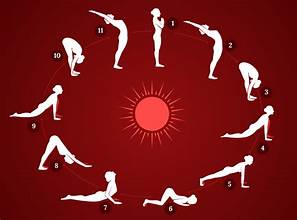
- Sun Salutations, a common sequence of postures, are historically tied to sun worship in Hindu tradition.
- Chanting “Om” is viewed by some as invoking a sacred Hindu sound representing the universe or a deity.
- Meditation techniques designed to empty the mind are seen by critics as different from prayerful, God-directed meditation, potentially leaving a person spiritually vulnerable.
These are the specific practices most often cited by those who conclude that it is demonic in its traditional form.
The Counterargument: Why Many Say Yoga Isn’t Demonic
Separating Culture from Worship
Many scholars and practitioners push back on the idea of “Is Yoga Demonic?” that physical movement does not equal religious devotion. They point out that plenty of everyday practices borrow from other cultures without carrying spiritual weight for the person doing them. A person doing a downward dog stretch, they argue, is not worshiping any deity any more than someone practicing tai chi for balance or wearing clothing designed in another country.
The “It Depends on Intent” Perspective
A large number of practitioners approach yoga purely as physical exercise, with no interest in or awareness of its spiritual origins. From this perspective, intent matters. Someone attending a class purely for flexibility and stress relief, with no chanting, no meditation on emptying the self, and no invocation of any deity, is engaging in a very different activity than someone practicing yoga as a spiritual path. This is also why alternatives like “Christian yoga” or programs such as Praise Moves have emerged, offering the physical benefits of stretching and movement while replacing Eastern meditation with Christian prayer and scripture.
What Yoga Instructors and Scholars Say
Religious scholars often note that the modern, Westernized version of yoga has been so thoroughly separated from its philosophical roots that most students in a typical class have no idea they are performing anything historically religious at all. Instructors in secular studios frequently describe their classes strictly in terms of flexibility, strength, and relaxation, without reference to chakras, deities, or cosmic union. When any practitioner or a student asks the Master or a Yoga
Teacher, “Is Yoga Demonic? They cannot rightly answer; either they try to avoid answering this controversial topic, or they don’t know the right answer.
What Different Faiths and Experts Say
Christian Perspectives
Christian views on Is Yoga Demonic vary widely:
- Conservative view: Yoga should be avoided entirely because its origins are inseparable from Hindu worship, regardless of how it is presented today.
- Moderate view: Physical postures can be practiced, but should be modified or “Christianized,” removing chanting, mantras, and Eastern meditation.
- Progressive view: There is no inherent spiritual conflict, since intent and the individual heart matter more than the historical origin of a stretch.
Hindu Perspective on “Is Yoga Demonic”?
Interestingly, some practitioners from the tradition that originated yoga raise a different concern altogether. Rather than debating whether yoga is demonic, they express frustration that Western fitness culture has stripped yoga of its philosophical depth, reducing a sacred discipline to a workout trend disconnected from its meaning.
Secular and Scientific Perspective on “Is Yoga Demonic”?
From a purely scientific standpoint, researchers have studied the physical and mental health benefits of yoga extensively. Studies point to improvements in flexibility, reduced stress hormones, better sleep, and lower anxiety levels among regular practitioners. None of this research addresses spiritual questions directly, but it does explain why yoga has become so widely adopted regardless of religious background, and this answer implies it.
Key Elements of Yoga Often Debated
Om Chanting and Mantras
Chanting is one of the most frequently cited concerns. In traditional practice, “Om” is considered a sacred sound representing ultimate reality. Many Western classes retain this chant as a relaxation tool without explaining its religious significance, which is part of why the debate persists.
Chakra Meditation
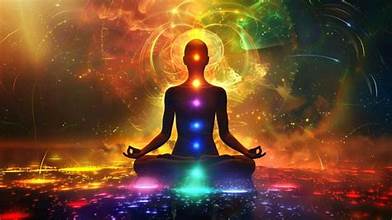
Chakras refer to energy centers within the body according to Hindu and yogic philosophy. Classes that focus on “balancing chakras” are engaging directly with this spiritual framework, which is a key reason critics point to this specific practice when arguing that certain forms of yoga are demonic.
Sun Salutations
As mentioned earlier, this sequence of postures has historical ties to sun worship. Most modern practitioners perform it purely as a warm-up routine, unaware of its origin.
Poses Named After Hindu Deities
Certain postures carry names referencing Hindu gods or mythological figures. Supporters of “Is yoga demonic?” argue that these are simply descriptive names, similar to naming a dance move, while critics see the naming itself as evidence of the practice’s inseparable religious character.
How to Approach Yoga Based on Your Beliefs
If You Want to Avoid Any Spiritual Elements
For those who remain uncomfortable with any possible connection to Hindu spirituality, several options exist:
- Look specifically for Christian yoga or Praise Moves classes, which replace mantras and meditation with prayer and scripture.
- Choose fitness-only stretching or mobility classes that avoid chanting, chakra work, or guided meditation entirely.
- Practice simple stretching routines at home, focused purely on physical movement.
If You’re Open to the Full Practice
Others may feel comfortable engaging with yoga’s full philosophical tradition, viewing it as a meaningful way to explore mindfulness and inner discipline. For this group, learning the historical and philosophical context can deepen appreciation for the practice rather than causing concern.
Questions to Ask Before Joining a Class
Before signing up, it can help to ask a studio directly:
- Does this class include chanting or mantra repetition?
- Is meditation part of the session, and if so, what kind?
- Is the class presented purely as fitness, or does it include spiritual teaching?
Asking these questions upfront removes much of the guesswork and allows each person to make a decision aligned with their own convictions.
Common Myths vs. Facts About Yoga
- Myth: All yoga is a form of Hindu worship.
Fact: Many modern classes are stripped of religious content and taught purely as physical exercise, though traditional yoga does have clear religious origins.
- Myth: Simple stretching can never carry spiritual weight.
Fact: Context matters; a stretch performed as part of a religious ritual differs from the same stretch performed at a physical therapy clinic.
- Myth: Christians cannot participate in any activity connected to yoga.
Fact: Many Christians practice modified versions or avoid specific elements like chanting while still enjoying the physical benefits.
Conclusion
So, is yoga demonic? The honest answer is that it depends on how the practice is approached, what elements are included, and what beliefs the practitioner brings into the room. Traditional yoga, with its chanting, chakra work, and meditative philosophy, is undeniably rooted in Hindu spirituality. Modern, Westernized yoga, stripped of these elements and taught purely as exercise, is a very different experience for most participants.
Rather than a simple yes or no, “Is Yoga Demonic” deserves careful, personal reflection. If you have concerns, look for alternatives that align with your faith, ask questions before joining a class, and make an informed decision rather than following the crowd. Whatever conclusion you reach about yoga, doing so thoughtfully honors both your beliefs and your well-being.
FQA
Is yoga a sin?
This depends on religious perspective. Some Christian traditions view the spiritual elements of yoga, such as chanting and meditation on emptying the mind, as conflicting with their faith, while others see no conflict when practiced purely for exercise.
Can Christians do yoga?
Many Christians do practice yoga, often modifying it by removing chanting, mantras, and Eastern meditation, or by choosing alternatives like Christian yoga and Praise Moves that incorporate prayer and scripture instead.
What does the Bible say about yoga?
The Bible does not mention yoga directly, since it did not exist in its current form during biblical times. Discussions on this topic are typically based on broader biblical principles regarding meditation, worship, and avoiding practices tied to other belief systems.
Is chanting “Om” dangerous?
From a purely physical standpoint, chanting is harmless and can even be calming. Concerns arise primarily from a religious standpoint, where “Om” is understood as a sacred sound tied to Hindu spiritual beliefs.
What is Christian yoga?
Christian yoga refers to programs that keep the physical stretching and movement associated with traditional yoga while replacing mantras, chanting, and Eastern meditation with Christian prayer, worship music, and scripture reflection.