
A yoga mat is the single most personal piece of equipment in your practice, and choosing the right yoga mat can change how your body feels in every pose. Whether you’re holding a warrior pose or resting in savasana, your yoga mat is what stands between you and the floor—supporting your joints, gripping your palms, and grounding your breath. In this guide, we’ll walk through the history, purpose, types, and care of the modern yoga mat, so you can pick one that actually works for your body and your practice.
If you’ve ever rolled out a thin, slippery mat during a sweaty vinyasa flow and slid straight into a faceplant, you already know: not all mats are created equal.
In my practical life, when practicing yoga after my initiation, I was taught by my Guru where to sit and what the best mat is. Now, it is briefly described as follows:
- One should select a clean spot. The place should be perfectly clean.
- The seat should not be too high or too low.
- The seat should be covered by holy grass, skin, and cloth, one over the other.
- The seat should be firm, smooth, and leveled.
- He can adopt a comfortable posture that he can maintain for a sufficiently long time.
- He should control the functions of the senses and the mind.
- He should concentrate on the self.
Since the availability was scant as per point No. 3, I was advised to sit on a clean Rug so that the energy gained during practice does not transfer to the earth.
Transformation of Yoga Mat from Ancient Times to Present
Yoga itself is over 5,000 years old, but the yoga mat as we know it is surprisingly young. Ancient yogis in India practiced on woven grass mats, animal skins, or simply bare earth. The goal wasn’t cushioning — it was connection to the ground, a physical reminder of humility and simplicity central to yogic philosophy.
The Birth of the Modern Mat
The rubber yoga mat didn’t appear until the 1960s and 1970s, when practitioners in the West began needing a surface that wouldn’t slip on polished studio floors. A German teacher named Angela Farmer is widely credited with cutting up a piece of carpet padding to stop herself from sliding during practice—an accidental invention that reshaped the industry.
From Utility to Identity
By the 1990s, companies began mass-producing PVC mats designed specifically for yoga. Today, the global yoga mat market reflects just how far this humble object has come:
- The yoga mat industry is valued at several billion dollars globally and continues to grow year over year.
- Eco-conscious materials like natural rubber, cork, and jute have overtaken plastic-heavy designs in popularity.
- Mats now come in dozens of thicknesses, textures, and price points—from budget starter mats to premium alignment-guided designs.
This evolution shows that the mat has moved from a practical afterthought to a defining part of how people practice and express themselves through yoga.
What Is a Yoga Mat?
A yoga mat is a thin, portable cushioned surface designed to provide grip, support, and hygiene during a yoga practice. Unlike a generic exercise mat, it is engineered specifically to balance three things: traction (so hands and feet don’t slip), cushioning (so knees and spine are protected), and portability (so it can be rolled and carried easily).
Most mats measure around 68–72 inches long, 24 inches wide, and 3–6 millimeters thick, though travel and therapeutic versions vary. The material composition — rubber, PVC, TPE, cork, or cotton — determines how the mat feels, grips, and performs under sweat.
The Purpose of a Yoga Mat to Yoga Practitioners
For practitioners, a yoga mat isn’t just a surface—it’s a functional tool that directly affects performance and safety.
Physical Support
A quality mat cushions the spine during seated postures, protects the knees in lunges, and gives wrists stable footing in plank and downward dog.
Mental Anchoring
Many teachers describe the mat as a “personal space”—a defined boundary that signals to the brain it’s time to focus, breathe, and practice. Studies on ritual and habit formation suggest that consistent physical cues (like unrolling the same mat) help reinforce routine behavior, making it easier to stay consistent with practice.
Hygiene Barrier
This mat also creates a clean, dedicated surface between the practitioner’s skin and shared studio floors, reducing exposure to bacteria and allergens.
Brief Overview of What Readers Will Learn
This guide covers:
- Why a yoga mat is more than a workout accessory
- How the right mat improves comfort, balance, and safety
- The main types of mats and what each is best for
- How to choose a yoga mat based on your practice style
- How to clean and maintain your mat properly
- Expert tips to get more life and performance from your mat
By the end, you’ll be able to choose a yoga mat with confidence — not guesswork.
Why a Yoga Mat Is More Than an Accessory
It’s tempting to think of a mat as just a rubber sheet you stand on. But the right yoga mat actively shapes the quality of your practice.
- It prevents injury. A mat with poor grip increases slip risk during standing balance poses like tree pose or half-moon pose.
- It builds confidence. Practitioners who trust their mat’s grip commit more fully to challenging poses instead of holding back out of fear of slipping.
- It reflects intention. Many long-term practitioners treat their mat the way a musician treats an instrument—as something cared for and personal, not disposable.
A worn-out, low-quality yoga mat can quietly undermine years of practice by making every pose feel unstable. This is why experienced teachers rarely recommend the cheapest option in the store.
How the Right Yoga Mat Improves Comfort, Balance, and Safety
Comfort
Thicker mats (6mm and above) reduce pressure on bony areas like knees, hips, and elbows, which matters most for restorative or yin yoga.
Balance
Textured, high-traction surfaces keep hands and feet locked in place during dynamic transitions, especially in hot or sweaty conditions like Bikram or power yoga.
Safety
According to physical therapists, unstable footing is one of the most common contributors to yoga-related wrist and ankle strain. A grippy, appropriately cushioned yoga mat significantly lowers that risk.
Quick Comparison: Thickness vs. Use Case
| Thickness | Best For | Trade-off |
| 1–2mm (Travel) | Portability, hot yoga | Less cushioning |
| 3–4mm (Standard) | General all-around practice | Balanced but not ultra-soft |
| 5–6mm+ (Cushioned) | Restorative, therapeutic, joint pain | Less stability for standing poses |
Different Types of Yoga Mats Available in the Market
Not every mat is built the same. Here are the main categories you’ll encounter:
- PVC Yoga Mats
Durable, affordable, and long-lasting, but not biodegradable. Popular for beginners due to price and grip consistency.
- TPE (Thermoplastic Elastomer) Mats
A middle-ground option — lighter than PVC, more eco-friendly, and often free of harmful chemicals like phthalates.
- Natural Rubber Mats
Excellent grip, especially when damp, and biodegradable. Slightly heavier and can have a rubber smell initially.
- Cork Yoga Mats
Naturally antimicrobial and increasingly grippy the more you sweat—a favorite for hot yoga practitioners.
- Cotton and Jute Mats
Traditional, breathable, and eco-conscious, though they offer less cushioning than rubber or foam alternatives.
Best Yoga Mats for Different Styles
Choosing a yoga mat should match the style of yoga you practice most often.
- Hatha or Restorative Yoga: A thicker (5–6mm) cushioned mat for slow, held postures.
- Vinyasa or Power Yoga: A mat with strong grip and moderate thickness (3–4mm) for quick transitions.
- Hot Yoga or Bikram: A cork or rubber mat that grips better with sweat, often paired with a towel.
- Yin Yoga: A soft, cushioned yoga mat that supports long-held floor poses.
- Travel Yoga: A thin, foldable 1–2mm mat that fits in a suitcase or backpack.
How to Choose the Right Yoga Mat
Selecting a mat comes down to five practical factors:
- Thickness — Match it to your joint sensitivity and practice intensity.
- Material — Decide between eco-friendly rubber/cork or budget-friendly PVC/TPE.
- Texture and Grip — Test how the surface performs when your hands are sweaty.
- Size — Taller practitioners may need extended-length mats (72 inches or more).
- Portability — Consider weight and rollability if you travel or commute to classes.
A Simple Buying Checklist
- Does it provide enough cushioning for your joints?
- Does it stay grippy when wet?
- Is it free of harmful chemicals (look for phthalate-free labeling)?
- Does it fit your storage and travel needs?
- Is it within a budget you’re comfortable replacing every 1–2 years?
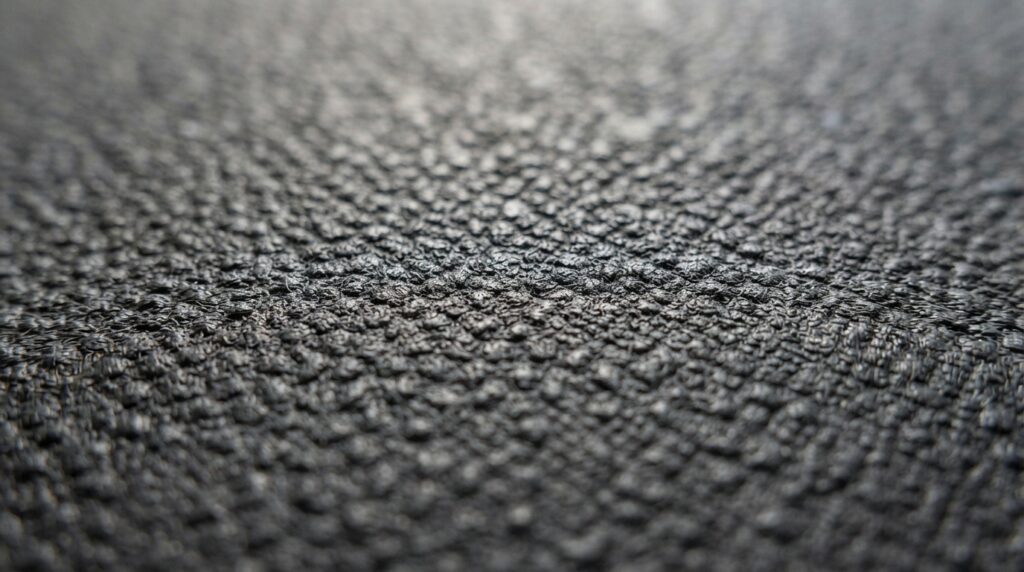
How to Clean Your Yoga Mat
A dirty mat isn’t just unpleasant — it can harbor bacteria, fungi, and odor-causing residue.
Daily Maintenance
- Wipe down with a damp cloth after every sweaty session.
- Air-dry fully before rolling it up to prevent mildew.
Deep Cleaning (Weekly or Bi-Weekly)
- Mix a mild solution of water, a few drops of dish soap, and a splash of white vinegar.
- Spray lightly across the surface — avoid soaking, especially with natural rubber.
- Wipe with a soft cloth in circular motions.
- Hang to air-dry completely before storing.
Avoid harsh chemical cleaners or direct sunlight for extended periods, as these can break down rubber and cork materials over time.
Expert Tips for Getting the Most from Your Yoga Mat
Experienced instructors consistently recommend the following:
- Break in a new mat by wiping it down before first use—many rubber and cork mats grip better after the factory coating wears off slightly.
- Rotate two mats if you practice daily—one for sweaty sessions and one for gentle or restorative practice, extending the lifespan of both.
- Store flat or loosely rolled, not tightly compressed for long periods, to prevent permanent creasing.
- Replace your mat when you notice thinning, peeling, or reduced grip—usually every 1–3 years depending on frequency of use.
- Match your mat to your goals, not trends—the “best” yoga mat is the one that supports your specific practice, body, and environment.
A well-maintained mat isn’t just about hygiene—it’s about respecting the tool that supports your growth, session after session.
Conclusion
From ancient woven grass mats to today’s high-tech rubber and cork surfaces, the yoga mat has evolved into far more than a rolled-up accessory—it’s a foundation for safety, comfort, and consistency in practice. Choosing the right yoga mat means understanding your practice style, your body’s needs, and the materials that support both. Take the time to choose a yoga mat that fits you, care for it properly, and it will support thousands of practices to come.
Ready to upgrade your practice? Take a moment today to evaluate your current mat — if it’s slipping, thinning, or simply doesn’t match your style of yoga, it may be time to invest in one that truly supports where your practice is headed.
Frequently Asked Questions (FAQ Schema-Ready)
Q1: How thick should a yoga mat be? A standard yoga mat is 3–4mm thick, which balances cushioning and stability. Restorative practitioners may prefer 5–6mm, while travel-focused yogis often choose 1–2mm.
Q2: How often should I clean my yoga mat? Wipe your mat down after every session and do a deeper clean weekly or bi-weekly, depending on how often and intensely you practice.
Q3: What’s the difference between a yoga mat and a regular exercise mat? A yoga mat is designed specifically for grip and controlled movement transitions, while a general exercise mat prioritizes impact absorption for activities like calisthenics or stretching.
Q4: How long does a yoga mat last? Most yoga mats last 1–3 years with regular use, depending on material quality and how well they’re cleaned and stored.
Q5: Which yoga mat is best for beginners? A mid-thickness (3–4mm) PVC or TPE mat is usually best for beginners, offering a balance of grip, cushioning, and affordability.
Q6: Can I use a yoga mat for other workouts? Yes, a yoga mat can be used for general stretching, Pilates, or bodyweight training, though it may offer less shock absorption than mats designed specifically for high-impact workouts.