Introduction:
Nada yoga benefits extend far beyond simple relaxation — they represent a complete system for human transformation that has been refined over thousands of years. The Nada Yoga Benefits documented by ancient yogic masters and confirmed by modern neuroscience include reduced stress, improved concentration, chakra balancing, and profound spiritual awakening. Understanding Nada Yoga Benefits in their full depth requires exploring how sound, vibration, and consciousness are intimately linked in ways that contemporary science is only beginning to explain. In this article, we delve into the details of Nada Yoga, Nada Yoga Benefits, Origin of Nada Yoga, How to practice, and other Pros and Cons.
In Sanskrit, “nada” means sound, and “yoga” means union. Nada yoga is therefore the yoga of sound — a path that uses both external and internal sonic vibrations to guide the practitioner toward higher states of awareness. Unlike other yoga systems that focus primarily on physical postures, nada yoga works directly with the subtler dimensions of being, making it accessible to virtually anyone regardless of age or physical ability.
What is Nada Yoga? The ancient science of sound:
Nada yoga originates from the ancient Indian philosophical text the Nada Bindu Upanishad, as well as the Hatha Yoga Pradipika, and Gheranda Samhita, which dedicates an entire chapter to the practice of nada anusandhana — the exploration of inner sound. The tradition holds that the entire universe is a manifestation of sound vibration, and that by attuning to these vibrations, a practitioner can dissolve the boundaries between self and cosmos.
Ahata and Anahata Nada: The Two Streams of Sound
Nada yoga distinguishes between two categories of sound. Ahata nada refers to struck or external sound — music, chanting, drumming, or any vibration created by physical contact. Anahata nada, by contrast, is the unstruck internal sound that arises spontaneously from within deep meditation. The anahata nada meditation practice is considered more advanced and is associated with the direct perception of the primordial Hum underlying all existence.
Practitioners typically begin with ahata nada — working with instruments like the tanpura, singing bowls, or their own voice — before gradually refining their awareness toward the inner sound meditation technique that characterizes advanced practice.
The Science Behind Nada Yoga Benefits:
Modern research increasingly validates what yogic tradition has long maintained. Studies in neuroscience, psychoacoustics, and integrative medicine reveal measurable physiological and psychological effects from sound-based practices and Nada Yoga Benefits. Understanding these mechanisms helps explain why Nada Yoga Benefits are so wide-ranging and profound.
How Sound Vibration Affects the Brain and Nervous System:
When you engage in nada yoga, the repetitive sound vibrations — whether chanted aloud or listened to meditatively — produce a phenomenon known as brainwave entrainment. Research published in journals such as Frontiers in Psychology and Music & Science shows that sustained sound meditation can shift brainwave activity from high-frequency beta states (associated with stress and analytical thinking) toward slower alpha and theta states linked to creativity, deep relaxation, and heightened intuition.
Additionally, sustained sound vibration stimulates the Vagas Nerve — the primary pathway of the parasympathetic nervous system — triggering the body’s rest-and-digest response. This directly counters the chronic fight-or-flight activation that underlies much modern stress-related illness. Therefore, most of the people suffering from stress-related illness throughout the world are actively widening their search to know the Nada Yoga Benefits instead of going to doctors.
Nada Yoga Benefits and the Endocrine System:
Sound-based practices also influence the endocrine system. Research has shown that humming and chanting increase nitric oxide production in the nasal sinuses, which dilates blood vessels and improves oxygenation. Other studies demonstrate reductions in cortisol (the primary stress hormone) following regular sound meditation, while simultaneously supporting healthy levels of DHEA (Dehydroepiandrosterone), a hormone associated with vitality and longevity. This is how we can receive the Nada Yoga Benefits.
Nada Yoga Benefits: A Comprehensive Study:
The Nada Yoga Benefits span physical, mental, emotional, and spiritual dimensions. Below is a thorough breakdown of the most well-documented and experientially confirmed advantages of regular practice.
1. Profound Stress Reduction and Emotional Balance:
One of the most immediately noticeable Nada Yoga Benefits is a deep reduction in stress and anxiety. The practice activates the parasympathetic nervous system, lowers cortisol, and creates a state of calm alertness that persists well beyond the meditation session itself. Daily Nada Yoga practice for inner peace is not just aspirational language — it is a practical and achievable outcome of Nada Yoga Benefits for most consistent practitioners.
- Reduces cortisol levels by up to 30% in consistent practitioners
- Decreases symptoms of generalized anxiety disorder
- Promotes emotional regulation through sustained meditative focus
- Creates neurological patterns that support baseline calmness
2. Enhanced Concentration and Cognitive Performance:
Nada yoga benefits the mind by training single-pointed attention. Focusing on a specific sound — whether the AUM syllable, a musical drone, or the subtle inner sound — exercises the prefrontal cortex’s capacity for sustained attention. This neurological training transfers directly into improved focus and productivity in daily life.
Students and professionals who practice Nada Yoga regularly report a stronger ability to maintain concentration under pressure, greater mental clarity, and improved memory recall. These cognitive nada yoga benefits make the practice valuable far beyond its spiritual applications.
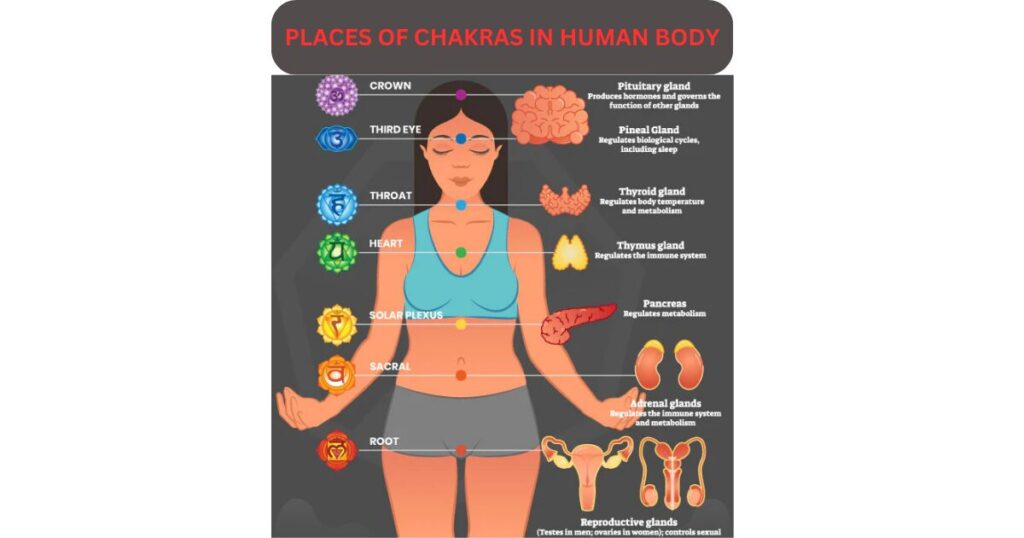
3. Nada Yoga Benefits for Chakra Balancing:
Within the yogic framework, each chakra — the body’s energy centers — is associated with a specific sound frequency. Nada yoga benefits for chakra balancing work by directing specific tones and vibrational frequencies toward individual chakras, helping to clear energetic blockages and restore the healthy flow of prana (life force energy).
- Root Chakra (Muladhara): Associated with the seed sound LAM, grounding practices
- Sacral Chakra (Svadhisthana): Connected to VAM, creativity, and emotional flow
- Solar Plexus Chakra (Manipura): Linked to RAM, personal power, and will
- Heart Chakra (Anahata): Associated with YAM, love, and compassion
- Throat Chakra (Vishuddha): Connected to HAM, authentic expression, and truth
- Third Eye Chakra (Ajna): Linked to OM, intuition, and inner vision
- Crown Chakra (Sahasrara): Associated with AUM or silence, pure consciousness
Regular nada yoga for chakra balancing is reported by experienced practitioners to produce tangible improvements in energy levels, emotional well-being, and the sense of being aligned with one’s deeper purpose.

4. AUM Chanting Meditation for Spiritual Awakening:
AUM (also spelled OM) is considered the primordial sound — the vibrational signature of the universe itself. AUM chanting meditation for spiritual awakening is one of the oldest and most universally practiced forms of nada yoga. The three phonetic components of AUM (A-U-M) are said to represent the waking, dreaming, and deep sleep states of consciousness, while the silence that follows the chant represents the fourth state: turiya, or pure awareness.
Scientific research has shown that AUM chanting produces limbic deactivation — a quieting of the emotional processing centers of the brain — similar to the neural effects observed in advanced meditation states. AUM chanting meditation for spiritual awakening is therefore not merely a metaphysical claim but a neurologically verifiable phenomenon.
5. Improved Sleep Quality
Nada yoga benefits the sleep cycle by calming neural hyperactivity and reducing the rumination that keeps many people awake at night. Practicing even fifteen minutes of sound meditation before bed has been shown to significantly improve sleep onset latency (the time it takes to fall asleep), sleep depth, and morning refreshment.
6. Cardiovascular and Respiratory Health
The deep, controlled breathing inherent in nada yoga practices, such as vocal chanting, directly strengthens respiratory musculature, improves lung capacity, and optimizes the breathing pattern. The vagal stimulation produced by these Nada Yoga Benefits lowers resting heart rate and blood pressure over time, making it a valuable complementary practice for cardiovascular health.
7. Spiritual Development and Inner Realization
Beyond physical and psychological gains, the ultimate Nada Yoga Benefits are spiritual. The inner sound meditation technique — particularly in its advanced form as listening to Anahata Nada — is described in classical texts as a direct pathway to samadhi, or non-dual awareness. Many practitioners described their experiences of profound stillness, interconnectedness, and the dissolution of ordinary mental boundaries through sustained inner sound practice.
Benefits of Nada Yoga Meditation Practice -vs- Other Meditation Forms:
When comparing the benefits of Nada Yoga Meditation practice to other well-known approaches, such as mindfulness-based stress reduction (MBSR), transcendental meditation (TM), or Vipassana, several distinctive advantages emerge.
Nada Yoga vs. Mindfulness Meditation:
Mindfulness meditation primarily cultivates present-moment awareness through observation of thoughts, sensations, and breath. Nada yoga does the same, but with the additional dimension of actively using sound as both the object of focus and the transformative agent. For practitioners who find silent sitting difficult, sound provides a tangible anchor that makes meditation more accessible and sustainable.
Nada Yoga vs. Transcendental Meditation
Transcendental Meditation uses a mantra — a specific sound vibration — as its primary tool, placing it within the same general family as nada yoga. However, nada yoga encompasses a far broader range of practices, from external music listening and AUM chanting to advanced inner sound exploration, giving practitioners a rich and evolving path rather than a single technique.
Key Advantages of Nada Yoga for Daily Practice:
- No special equipment required — the voice is always available
- Adaptable to all levels, from absolute beginners to advanced yogis
- Works harmoniously with other meditation and yoga systems
- Provides both immediate experiential benefits and long-term transformation
- Culturally rich, drawing on thousands of years of refined tradition
How to Practice Nada Yoga for Beginners: A step-by-step guide:
Learning how to practice Nada Yoga for beginners requires no prior experience with yoga or meditation. The entry point is simply sound — and every human being is already equipped with the most important instrument: the voice.
Step 1: Prepare Your Space and Posture
Choose a quiet, comfortable space where you will not be disturbed for at least 20 minutes. Sit in a stable, upright position — either cross-legged on the floor (preferably Padmasana, Lotus Pose), in a chair, or on a meditation cushion. The spine should be straight but not rigid. Close your eyes gently.
Step 2: Begin With Conscious Listening
Before producing any sound yourself, spend five minutes in conscious listening. Close your eyes and simply pay attention to whatever sounds are present — near and far, obvious and subtle. This cultivates the receptive auditory awareness that is foundational to nada yoga practice.
Step 3: Practice AUM Chanting
Inhale deeply through the nose. As you exhale, chant a sustained AUM — beginning with a deep, open “A” in the belly, transitioning through the “U” in the chest and throat, and closing with the “M” vibrating in the lips and skull. Feel the resonance throughout your body. Repeat 9 to 21 times, maintaining awareness of the vibration.
AUM chanting meditation for spiritual awakening deepens significantly when you extend the duration of each syllable and attend to the quality of silence between each repetition.
Step 4: Move to Inner Sound Listening
After the chanting phase, sit in complete silence and turn your attention inward. Listen for any spontaneous sounds arising from within — this is the beginning of the inner sound meditation technique. You may notice a faint ringing, humming, or rushing sound. Do not analyze; simply listen with soft, receptive awareness.
Step 5: Close the Practice
After 10–15 minutes of inner listening, gently rub your palms together, place them over your eyes, and slowly open your eyes. Take a moment to notice how you feel before resuming normal activity.
Recommended Daily Schedule for Nada Yoga Beginners
- Days 1–7: 10 minutes of AUM chanting only
- Days 8–21: 10 minutes chanting + 10 minutes inner listening
- Days 22–30: 20–30 minutes combining all elements
- Month 2+: Introduce Nada Yoga for chakra balancing using bija mantras
Advanced Nada Yoga: Anahata Nada Yoga Meditation Practice:
The Anahata nada meditation practice represents the pinnacle of nada yoga. Unlike the practices described above — which use externally produced sound — Anahata nada works with the internal, spontaneously arising sound of the cosmos itself. This is the “unstruck sound,” present without any physical cause, accessible only in deep states of meditative absorption. This is how we can get the Nada Yoga Benefits.
How to Access Anahata Nada:
Advanced practitioners access Anahata Nada through progressive refinement of auditory attention. After establishing deep concentration through chanting and external music, the practitioner withdraws attention from the outer senses (pratyahara) and directs awareness toward increasingly subtle internal sounds. Classical texts describe a progression through ten stages of nada, from gross sounds like drums and ocean waves to increasingly fine vibrations until only the primordial hum of consciousness remains. It is also said that during the practice of higher Meditation by KHECHARI MUDRA, Yogis can hear the blowing of a conch, a ringing sound at a distant temple.
The benefits of Nada Yoga meditation practice at this advanced level include altered states of consciousness, heightened intuition, spontaneous insight, and in some cases, experiences that practitioners describe as unitive or transcendent. While these states cannot be guaranteed, they are regularly reported in the literature of both classical yoga and contemporary contemplative science.
Daily Nada Yoga Practice for Inner Peace: Tips from experienced practitioners:
Building a daily Nada Yoga practice for inner peace requires both consistency and flexibility. Here are expert-informed strategies for sustaining the practice over the long term.
Creating a Sustainable Routine:
- Practice at the same time each day to anchor the habit neurologically
- Morning practice is ideal — it sets the vibrational tone for the entire day
- Even five minutes of daily Nada Yoga practice for inner peace has cumulative benefits
- Use sound as a transitional tool between activities, not just in formal sessions
- Keep a simple journal of your inner sound experiences to track progression
Combining Nada Yoga with Other Practices:
Nada yoga combines synergistically with pranayama (breathwork), asana (postures), and other forms of meditation. Many teachers recommend beginning a yoga session with a nada yoga warm-up, chanting to open energetic channels before physical practice. Ending sessions with inner sound listening deepens the integration of all benefits accumulated during practice. In this way, we can get the Nada Yoga Benefits.
Expert Insight: Dr. Srinivasan on Long-Term Nada Yoga Benefits:
“Consistent practitioners of nada yoga for a period of three months or more show measurable changes in autonomic nervous system regulation, reduced inflammatory markers, and self-reported improvements in emotional resilience that rival outcomes from clinical mindfulness interventions.” — Dr. T.R. Srinivasan, Director, Vivekananda Yoga Research Foundation, Bangalore.
Pros and Cons of Nada Yoga Practice:
Pros
- Accessible to all ages, fitness levels, and physical abilities
- Requires no equipment and minimal space
- Nada yoga benefits accumulate rapidly — many practitioners notice effects within the first week
- Supports physical, mental, emotional, and spiritual dimensions simultaneously
- Pairs well with any existing yoga, meditation, or wellness practice
- Rich tradition with thousands of years of experiential documentation
- Growing evidence base from neuroscience and integrative medicine
Cons
- Inner sound meditation technique requires patience — subtle experiences develop gradually,
- Chanting in groups or loudly may not be practical in all environments
- Misunderstanding of chakra-based frameworks without proper guidance can lead to confusion
- Advanced practices ideally require guidance from an experienced teacher
Conclusion: Why Nada Yoga Benefits are worth pursuing:
The Nada Yoga Benefits documented across thousands of years of tradition and increasingly confirmed by modern research represent one of the most complete systems for human flourishing available today. From stress relief and cognitive enhancement to chakra balancing, spiritual awakening, and deep inner peace, nada yoga benefits touch every dimension of what it means to be human.
Whether you begin with simple AUM chanting meditation for spiritual awakening, explore the inner sound meditation technique, or commit to a daily nada yoga practice for inner peace, the path rewards every level of investment. The Nada Yoga Benefits you experience will deepen proportionally to the consistency and sincerity of your practice.
Sound is not separate from us — it is, in the deepest sense, what we are. Nada Yoga Benefits every aspect of life precisely because it works at this foundational level: the vibrational ground of existence itself.
FQA:
Q1: What are the main Nada Yoga Benefits for beginners?
The primary Nada Yoga Benefits for beginners include reduced stress and anxiety, improved focus and mental clarity, better sleep quality, and a growing sense of inner calm. Most beginners report noticeable changes within two to four weeks of daily practice, with deeper benefits accumulating over months and years.
Q2: How are the benefits of Nada Yoga Meditation practice different from regular meditation?
The benefits of Nada Yoga Meditation practice are distinct because sound serves as both the meditation object and the transformative agent. Regular mindfulness meditation relies on passive observation, while nada yoga actively engages with vibration — through chanting, music, or inner listening — to produce neurological and energetic changes. This makes it especially effective for people who find silent sitting difficult.
Q3: What is the inner sound meditation technique in Nada Yoga?
The inner sound meditation technique involves directing attention toward spontaneous sounds arising within consciousness during deep meditation. Unlike external sounds, these arisings — known as anahata nada — are said to represent the primordial vibrational substrate of consciousness itself. Practitioners access this technique by first deepening concentration through AUM chanting or listening to drone music before withdrawing attention inward.
Q4: Can Nada Yoga help with chakra balancing?
Yes. Nada yoga for chakra balancing works by applying specific seed sounds (bija mantras) associated with each energy center. Regular practice with these sounds is reported to clear energetic blockages and support the free flow of prana through the chakra system. Many practitioners report improved energy, emotional balance, and physical vitality as a result of sustained nada yoga for chakra balancing.
Q5: How often should I practice Nada Yoga for inner peace?
Daily Nada Yoga practice for inner peace — even in sessions as brief as 10 to 15 minutes — consistently outperforms longer but irregular practice. The cumulative neurological effects of sustained daily practice recalibrate the nervous system toward a more balanced baseline state. Most practitioners recommend committing to a minimum 30-day daily practice before evaluating results.
Q6: Is AUM chanting meditation for spiritual awakening scientifically supported?
Yes. Several peer-reviewed studies have examined AUM chanting meditation for spiritual awakening and found measurable neurological effects, including deactivation of the limbic system, enhanced alpha wave activity, and reduction in cortisol. While the language of spiritual awakening is beyond the scope of neuroscience to evaluate directly, the physiological substrate that enables deeper states of consciousness has been clearly documented.