Introduction
Bhramari Pranayama Iyengar represents one of the most precise and therapeutic approaches to the ancient yogic breathing practice known as humming bee breath. Bhramari Pranayama Iyengar technique, developed and refined by B.K.S. Iyengar, emphasizes anatomical alignment, mindful awareness, and systematic progression that distinguishes it from traditional methods. The Bhramari Pranayama Iyengar approach transforms this simple breathing exercise into a powerful tool for nervous system regulation, stress management, and deep meditation.
B.K.S. Iyengar’s revolutionary contribution to Pranayama practices has made these ancient techniques accessible to practitioners of all levels while maintaining their therapeutic potency. His methodical approach to Bhramari Pranayama Iyengar Style incorporates precise body positioning, prop support when necessary, and careful attention to breath quality that maximizes the practice’s benefits.
This article will explore the Bhramari Pranayama Iyengar method in detail, providing practitioners with the knowledge needed to develop a safe, effective, and transformative breathing practice.
01. What Is Bhramari Pranayama Iyengar?
Bhramari Pranayama Iyengar is a specialized breathing technique that creates a humming sound during exhalation, resembling the gentle buzz of a bee. The word “Bhramari” comes from the Sanskrit term for the Indian black bee (Bhramar), while Pranayama refers to the regulation and extension of life force through breath control.
The Iyengar Difference
The Bhramari Pranayama Iyengar approach distinguishes itself through several key elements:
- Precise Alignment: Every aspect of body positioning is carefully considered
- Progressive Development: Skills are built systematically over time
- Therapeutic Adaptation: Modifications available for various health conditions
- Mindful Awareness: Deep attention to subtle sensations and effects
- Prop Integration: Strategic use of supports to enhance practice
Unlike traditional approaches, Bhramari Pranayama Iyengar methodology emphasizes quality over quantity, ensuring each breath cycle delivers maximum therapeutic benefit.
Historical Context and Development
B.K.S. Iyengar’s innovative approach to Bhramari Pranayama Iyengar emerged from decades of personal practice and teaching experience. Having struggled with tuberculosis in his youth, Iyengar developed an intimate understanding of breath’s healing potential.
The Bhramari Pranayama Iyengar technique evolved through:
- Classical Foundation: Rooted in ancient Hatha Yoga texts
- Scientific Observation: Careful study of physiological effects
- Therapeutic Application: Adaptation for various health conditions
- Systematic Refinement: Continuous improvement based on student feedback
This evolution resulted in the Therapeutic Bhramari Pranayama Iyengar system used worldwide today, combining traditional wisdom with modern understanding of anatomy and physiology.
02. Key Benefits of Bhramari Pranayama Iyengar:
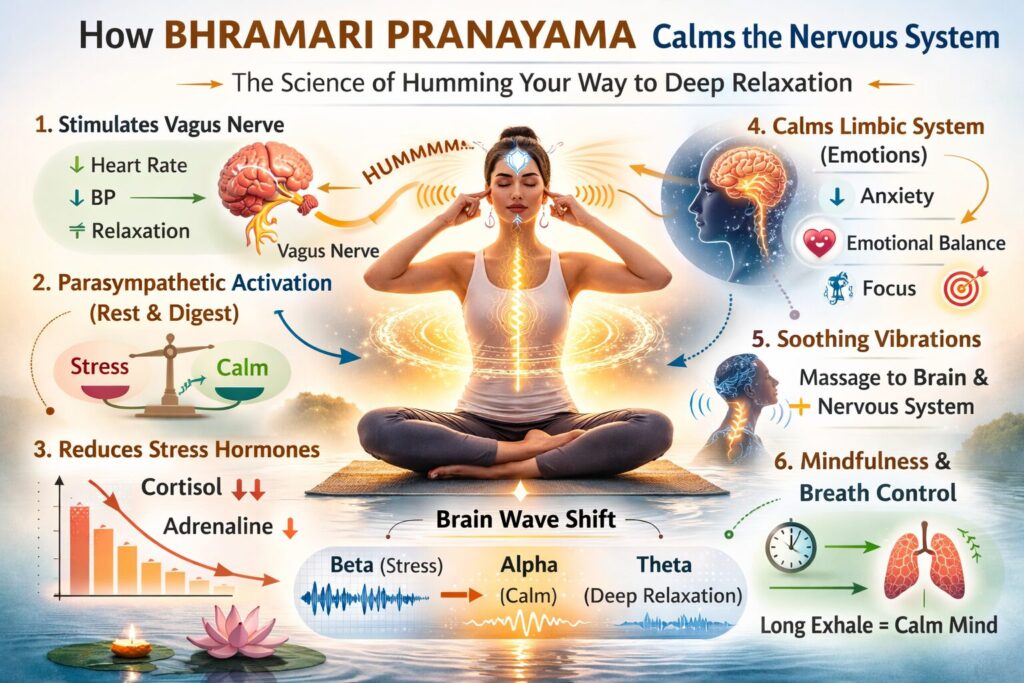
Physical Benefits
The Bhramari Pranayama Iyengar practice offers numerous physical advantages:
- Respiratory Enhancement: Strengthens lungs and improves breathing capacity
- Blood Pressure Regulation: Studies show consistent practice reduces hypertension
- Sinus Relief: Vibrations help clear nasal passages and sinuses
- Headache Reduction: Regular practice decreases frequency and intensity
- Immune System Support: Enhances the body’s natural defense mechanisms
Mental and Emotional Benefits
Iyengar Bhramari Pranayama for Anxiety has proven particularly effective:
- Stress Reduction: Activates the parasympathetic nervous system response
- Anxiety Management: Calms racing thoughts and emotional turbulence
- Focus Enhancement: Improves concentration and mental clarity
- Sleep Quality: Promotes deeper, more restorative rest
- Emotional Balance: Stabilizes mood fluctuations
Neurological Benefits
Iyengar Bhramari Pranayama for nervous system calming provides:
- Vagal Tone Improvement: Strengthens vagus nerve function
- Brain Wave Optimization: Promotes alpha and theta wave production
- Stress Hormone Reduction: Lowers cortisol and adrenaline levels
- Neurotransmitter Balance: Supports healthy serotonin and GABA production
The Iyengar Method: Step-by-Step Practice Guide
Preparation Phase
Before beginning Bhramari Pranayama, Iyengar recommends proper preparation to ensure safety and effectiveness:
- Environment Setup:
- Choose a quiet, well-ventilated space
- Maintain a comfortable room temperature
- Minimize external distractions
a. Physical Preparation:
- Empty bladder and bowels if needed
- Wait 3-4 hours after heavy meals
- Perform gentle stretches or asanas
b.Mental Preparation:
- Set a clear intention for practice
- Release daily concerns
- Cultivate receptive awareness
03. Basic Technique for Bhramari Pranayama Iyengar
Stage 1: Foundation Position
The Bhramari Pranayama Iyengar starting position requires careful attention:
- Seated Posture:
- Sit in Sukhasana (easy pose) or Padmasana (lotus pose)
- Use a folded blanket under the hips for elevation
- Ensure spine remains naturally erect
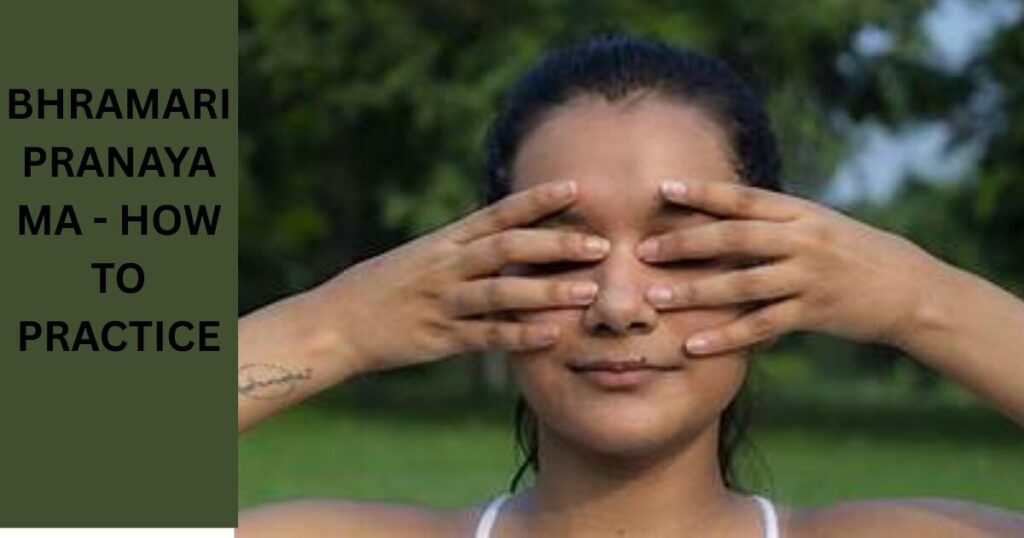
- Hand Position (Shanmukhi Mudra):
- Gently close ears with thumbs
- Place index fingers lightly over closed eyelids
- Rest middle fingers beside nostrils
- Position ring fingers above the upper lip
- Place your little fingers below your lower lip
Stage 2: Breathing Pattern
The Bhramari Pranayama Iyengar breathing sequence follows precise steps:
- Inhalation:
- Breathe slowly through your nostrils
- Expand the abdomen first, then the chest
- Maintain a steady, controlled pace
- Retention (Optional):
- Hold breath briefly at the top
- Keep your throat soft and relaxed
- Avoid strain or tension
- Exhalation with Sound:
- Create a steady humming sound
- Maintain consistent pitch
- Feel vibrations throughout the skull

04. Advanced Variations in Bhramari Pranayama Iyengar
As practitioners develop proficiency, Bhramari Pranayama Iyengar offers advanced techniques:
Variation 1: Extended Duration
- Gradually increase exhalation length
- Maintain sound quality throughout
- Begin with 5-second exhalations, progress to 15-20 seconds
Variation 2: Pitch Modulation
- Experiment with different frequencies
- Lower pitches for the grounding effect
- Higher pitches for energizing quality
Variation 3: Silent Practice
- Perform the technique without an audible sound
- Focus on internal vibration
- Develops subtle awareness
05. Props and Modifications in Iyengar Style
The Bhramari Pranayama Iyengar approach uniquely incorporates props for accessibility:
Essential Props
- Folded Blankets:
- Support proper pelvic tilt
- Reduce hip and knee strain
- Maintain spinal alignment
- Wall Support:
- Provides back stability
- Helps maintain upright posture
- Reduces fatigue during longer sessions
- Eye Pillows:
- Enhances pratyahara (sense withdrawal)
- Reduces eye strain
- Deepens relaxation response
Modifications for Common Conditions
The Therapeutic Bhramari Pranayama Iyengar system offers specific adaptations:
For Back Issues:
- Practice lying supine with knees bent
- Use a bolster under the knees for support
- Maintain natural spine curves
For Pregnancy:
- Modified seated position with back support
- Shorter practice sessions
- Avoid breath retention
For Respiratory Conditions:
- Begin with shorter durations
- Focus on gentle, comfortable breathing
- Gradually increase intensity
06. Scientific Evidence and Research
Modern research validates the Bhramari Pranayama Iyengar practice benefits:
Clinical Studies
Recent studies on Bhramari Pranayama Iyengar demonstrate:
- 42% reduction in anxiety scores after 8 weeks of practice
- Significant decrease in blood pressure among hypertensive patients
- Improved sleep quality in 78% of insomnia sufferers
- Enhanced cognitive function in elderly practitioners
Physiological Mechanisms
Research reveals how Bhramari Pranayama Iyengar works:
- Nitric Oxide Production: Humming increases nasal nitric oxide by 15-fold
- Parasympathetic Activation: Stimulates the vagus nerve directly
- Brain Wave Changes: Promotes alpha wave dominance
- Hormonal Balance: Reduces stress hormones, increases endorphins
7. Common Mistakes and How to Avoid Them
Practitioners new to Bhramari Pranayama Iyengar often encounter challenges:
Mistake 1: Forcing the Breath
- Problem: Creating tension through excessive effort
- Solution: Maintain a gentle, natural breathing rhythm
Mistake 2: Incorrect Hand Position
- Problem: Pressing too hard on facial features
- Solution: Use light touch, focus on sensation, not pressure
Mistake 3: Inconsistent Practice
- Problem: Sporadic sessions limit benefits
- Solution: Establish a regular daily practice routine
Mistake 4: Ignoring Discomfort
- Problem: Pushing through pain or dizziness
- Solution: Stop immediately if uncomfortable, consult the teacher
Integration with Other Iyengar Practices
Bhramari Pranayama Iyengar complements other yoga practices:
Asana Preparation
Specific poses enhance Bhramari Pranayama Iyengar’s effectiveness:
- Virasana (Hero Pose): Opens chest for better breathing
- Baddha Konasana (Bound Angle): Releases hip tension
- Supta Virasana: Prepares respiratory muscles
Pranayama Sequence
Combine Bhramari Pranayama Iyengar with other techniques:
- Begin with Ujjayi Pranayama for warming
- Practice Bhramari Pranayama Iyengar as the main technique
- Conclude with Savasana for integration
08. Therapeutic Applications
The Therapeutic Bhramari Pranayama Iyengar approach addresses specific conditions:
Anxiety and Panic Disorders
Iyengar Bhramari Pranayama for Anxiety protocols include:
- Immediate Relief: 3-5 rounds during acute episodes
- Prevention: Daily 10-minute sessions
- Long-term Management: Combined with meditation practice
Sleep Disorders
Bhramari Pranayama Iyengar for insomnia:
- Practice 30 minutes before bedtime
- Focus on extended, gentle exhalations
- Combine with yoga nidra techniques
Chronic Pain Management
The vibrations from Bhramari Pranayama Iyengar help:
- Reduce pain perception
- Promote endorphin release
- Enhance body awareness
Building a Personal Practice
Establishing consistent Bhramari Pranayama Iyengar practice requires structure:
Week 1-2: Foundation
- Practice 5 minutes daily
- Focus on basic technique
- Establish a comfortable seated position
Week 3-4: Development
- Increase to 10 minutes
- Add gentle retention
- Explore sound variations
Week 5-8: Refinement
- Extend to 15-20 minutes
- Incorporate advanced techniques
- Develop personal rhythm
Ongoing Practice
- Maintain daily routine
- Adjust based on needs
- Seek guidance when needed
Expert Tips for Mastery
Master teachers of Bhramari Pranayama, Iyengar recommend:
- Quality Over Quantity: Better to practice 5 minutes with full attention than 30 minutes distracted
- Listen to Your Body: Each day brings a different capacity; adapt accordingly
- Track Progress: Keep a practice note, noting effects and experiences
- Find Community: Practice with others for motivation and support
- Continuous Learning: Attend workshops and trainings regularly
09. Precautions and Contraindications
While Bhramari Pranayama Iyengar is generally safe, certain conditions require caution:
Avoid Practice With:
- Severe ear infections
- Recent ear surgery
- Epilepsy (without medical clearance)
- Extremely high blood pressure
Modify Practice For:
- Pregnancy (especially first trimester)
- Menstruation (reduce intensity)
- Heart conditions (avoid retention)
- Mental health conditions (practice under guidance)
10. Conclusion
Bhramari Pranayama Iyengar represents a profound synthesis of ancient wisdom and modern precision, offering practitioners a scientifically validated path to physical health, mental clarity, and emotional balance. Through B.K.S. Iyengar’s systematic approach, this powerful breathing technique becomes accessible to practitioners of all levels while maintaining its therapeutic potency.
The Bhramari Pranayama Iyengar method’s emphasis on alignment, awareness, and adaptation ensures safe, effective practice that can address various health concerns from anxiety to insomnia. As research continues to validate its benefits, Bhramari Pranayama Iyengar stands as a testament to the enduring relevance of yogic practices in modern wellness.
Whether seeking stress relief, improved concentration, or a deeper spiritual connection, Bhramari Pranayama Iyengar offers a time-tested tool for transformation. Through consistent practice, proper guidance, and mindful attention, practitioners can unlock the full potential of this remarkable technique and experience firsthand why Bhramari Pranayama Iyengar remains a cornerstone of therapeutic yoga practice worldwide.
FAQ
Q1: How long should I practice Bhramari Pranayama Iyengar daily?
A: Beginners should start with 5-10 minutes of Bhramari Pranayama Iyengar daily. As comfort and capacity increase, gradually extend to 15-20 minutes. The Iyengar Bhramari Pranayama method emphasizes quality over duration—better to practice shorter sessions with full concentration than longer periods with wandering attention. Advanced practitioners may practice up to 30 minutes, but always listen to your body and never force the practice.
Q2: Can Bhramari Pranayama Iyengar help with anxiety and panic attacks?
A: Yes, Iyengar Bhramari Pranayama for Anxiety is highly effective. The practice activates the parasympathetic nervous system, reducing stress hormones and promoting calm. During acute anxiety, 3-5 rounds of Bhramari Pranayama Iyengar can provide immediate relief. Regular daily practice helps prevent anxiety episodes and builds resilience. The humming vibration stimulates the vagus nerve, which directly counters the body’s stress response.
Q3: What makes the Iyengar approach to Bhramari Pranayama different from traditional methods?
A: The Bhramari Pranayama Iyengar Style emphasizes precise alignment, systematic progression, and therapeutic adaptation. Unlike traditional approaches, Iyengar’s method incorporates props for support, offers detailed modifications for various conditions, and focuses on anatomical precision. The Therapeutic Bhramari Pranayama Iyengar approach also includes specific protocols for different health conditions and emphasizes safety through careful observation of individual capacity.
Q4: Is Bhramari Pranayama Iyengar safe during pregnancy?
A: Bhramari Pranayama Iyengar can be beneficial during pregnancy with proper modifications. Practice in a comfortable seated position with back support, avoid prolonged breath retention, and keep sessions shorter (5-10 minutes). The Iyengar Bhramari Pranayama for nervous system calming can help manage pregnancy-related anxiety and promote relaxation. However, always consult your healthcare provider and work with a qualified prenatal yoga instructor familiar with the Bhramari Pranayama Iyengar method.
Q5: When is the best time to practice Bhramari Pranayama Iyengar?
A: The optimal time for Bhramari Pranayama Iyengar is early morning on an empty stomach, traditionally during Brahma Muhurta (approximately 1.5 hours before sunrise). This timing aligns with natural circadian rhythms and provides a calm environment. Evening practice before dinner is also beneficial, especially for stress relief and better sleep. Avoid practicing immediately after meals—wait at least 3-4 hours after heavy meals or 1-2 hours after light snacks.
Q6: How does Bhramari Pranayama Calm the Nervous System?
A: Bhramari Pranayama, also known as Humming Bee Breath, is a powerful yogic breathing technique that directly influences the nervous system. The word Bhramari comes from the Sanskrit word Bhramar, meaning bee, because the practitioner makes a gentle humming sound during exhalation.